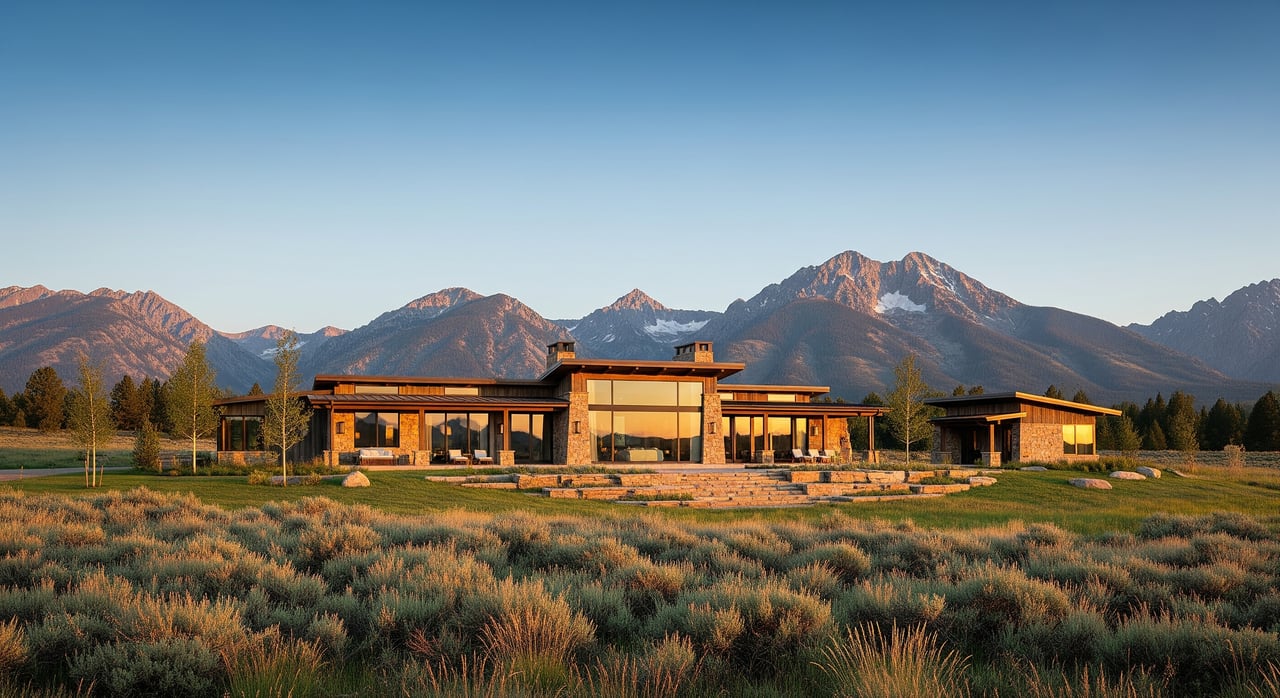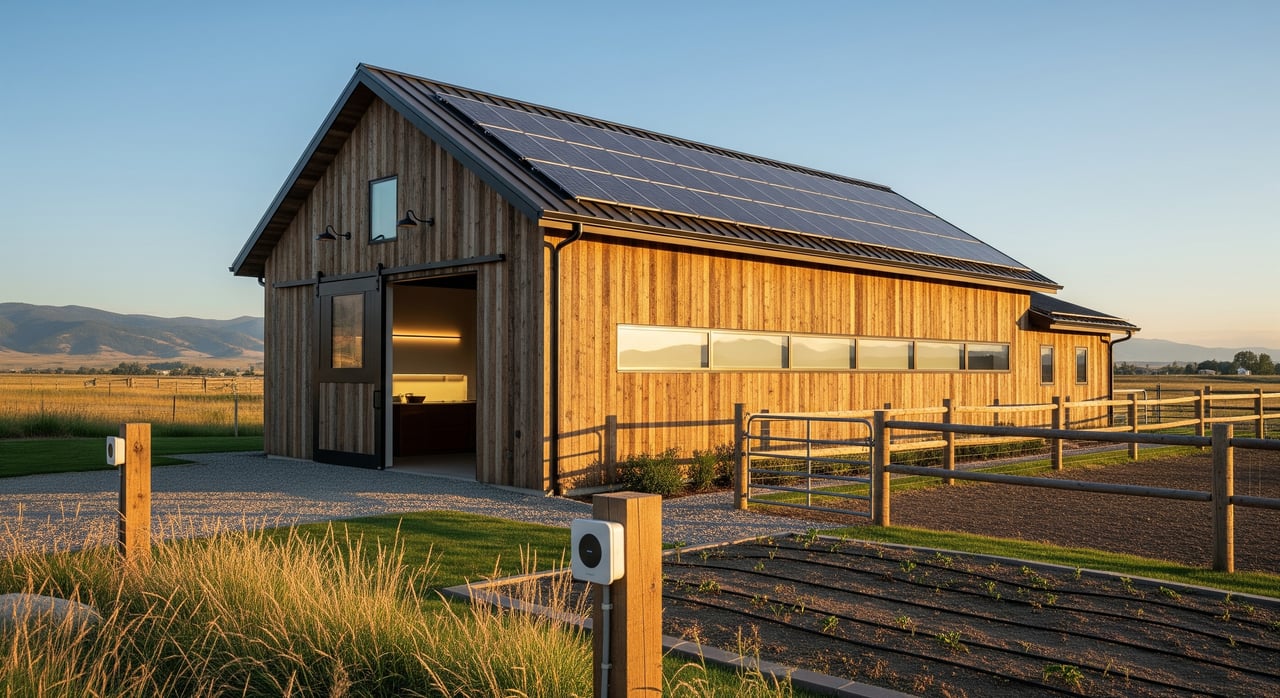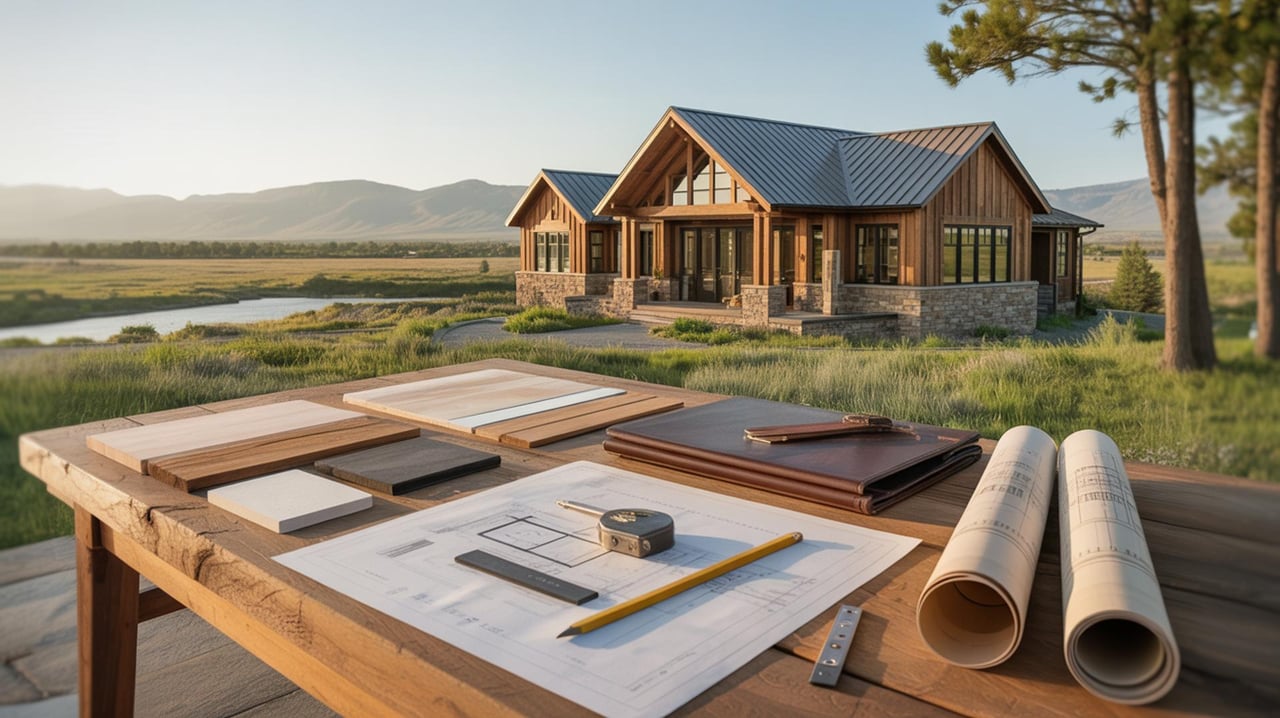
Thinking about protecting your Paradise Valley views or buying acreage that already has a conservation easement? In Emigrant and across Park County, easements can secure open space, ranch use, and wildlife habitat while still letting you enjoy and steward your land. This guide breaks down how easements work here, what they mean for building and resale, and the practical steps to take before you sign or buy. Let’s dive in.
Conservation easement basics
A conservation easement is a voluntary, legally recorded agreement between you and a qualified holder, such as a land trust or government entity. It limits certain uses or development rights to protect defined conservation values like scenery, agriculture, wildlife corridors, and water quality. You keep ownership and most rights that are not restricted in the recorded document.
There are two common durations:
- Perpetual easements run with the land forever and are the most common if you seek federal income tax benefits under section 170(h).
- Term-limited easements last for a set period but generally do not qualify for federal charitable deduction treatment.
Easements can be donated, purchased, or structured as a bargain sale that blends both. In western rural settings, goals often include view protection, maintaining ranch operations, limiting subdivision, and safeguarding riparian corridors.
Common structures and goals
- Donated easement: You donate the easement to a qualified holder. If it meets IRS requirements, it may be treated as a charitable contribution.
- Purchased easement: A land trust or agency buys the easement using grants or public funds.
- Typical local goals: Preserve rural character, keep land in agricultural use, protect Yellowstone River riparian areas, and maintain wildlife movement.
Paradise Valley specifics
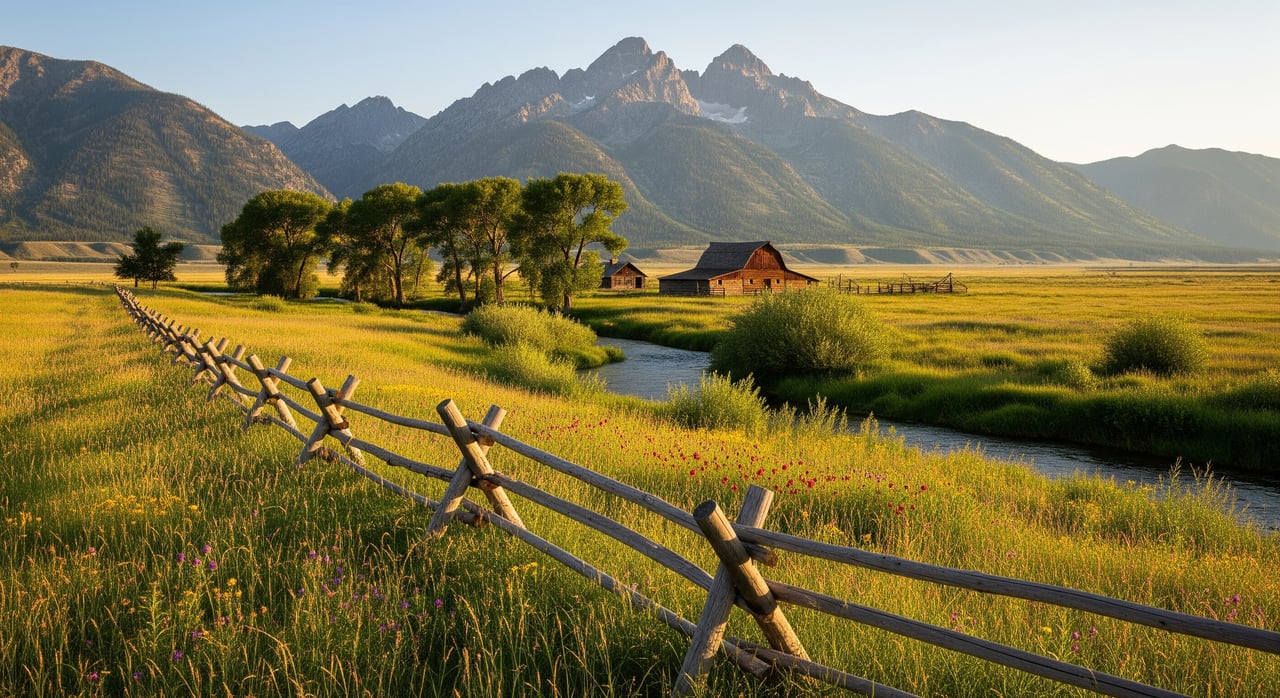
Paradise Valley, including Emigrant, is a scenic corridor along the Yellowstone River just north of Yellowstone National Park. With second-home demand and proximity to Bozeman and Livingston, local easements often focus on:
- Protecting river frontage and riparian buffers.
- Setting building envelopes away from visual corridors and sensitive habitat.
- Limiting lot-splitting and subdivision to keep working landscapes intact.
Regional and statewide land trusts are active in the Greater Yellowstone area. You work with conservation staff and legal counsel to tailor terms to your property’s ecology and operations. Public access is not automatic. If it is intended, it must be expressly granted in the easement; many private ranch easements specifically prohibit public access.
Restrictions vs. reserved rights
Every easement is unique, but the deed usually distinguishes between what is restricted and what you can keep doing.
- Common restrictions: Subdivision, commercial development, new residential lots, surface mining, major alteration of natural features, and changes within riparian buffers.
- Common reserved rights: Existing home use, agricultural and ranching operations, certain barns or sheds, fencing, and hunting or fishing. Any future dwellings or additions usually require clear, mapped building envelopes and written limits.
Baseline, maps, and monitoring
Easements are documentation-driven. Expect three core elements.
- Baseline documentation report (BDR): A snapshot of the property before the easement, including photos, maps, and habitat descriptions. It becomes the reference for future monitoring.
- Maps and surveys: Recorded easements include a legal description and often a map showing boundaries, building areas, and restricted zones. A recent survey is strongly recommended to avoid uncertainty.
- Monitoring and stewardship: The holder typically monitors the property periodically and keeps compliance records. Many holders require a stewardship endowment or funding to cover long-term monitoring and potential enforcement.
Taxes and valuation
If you donate a qualifying perpetual easement to a qualified holder for a qualified conservation purpose, it may be treated as a charitable contribution under federal rules. A qualified appraisal is typically required to value the easement by comparing before-and-after fair market value. Deduction limits, carryforwards, and documentation requirements are detailed and change over time, so consult a tax professional.
Montana-specific incentives and property tax practices vary. In Park County, an easement may affect assessed value depending on local assessor practice. Confirm details with the Park County Assessor and state agencies. Appraisals for easement valuation differ from standard residential appraisals, so choose an appraiser who is experienced with conservation easements.
Resale and financing
Easements run with the land, which means a buyer takes the property subject to the recorded restrictions. The market effect depends on what rights are removed and what local buyers value.
- Pricing impact: Removing development rights can reduce highest-and-best-use valuation. At the same time, certainty about protected views and open space can attract lifestyle buyers who value permanent protection and agricultural continuity.
- Lenders and title: Mortgage lenders may require subordination or assurances about their collateral, and some are cautious about restricted collateral. Early lender involvement helps. Title commitments will show the recorded easement as an exception, so review carefully.
Water rights in Montana
In Montana, water rights are often separate from surface land rights. If an easement affects riparian use or irrigation, review implications under Montana water law. This is important for ranch and hay operations in Paradise Valley. Work with water law counsel and relevant state resource agencies before you finalize terms.
Steps to grant an easement
If you are considering granting a conservation easement on land near Emigrant or along the Yellowstone River, use this practical checklist:
- Clarify your objectives. Decide which values to protect, such as viewsheds, ranching, wildlife habitat, or river frontage.
- Identify potential holders. Focus on qualified land trusts or agencies with capacity and a track record in Park County.
- Get a current survey. Map potential building envelopes and boundaries. Begin compiling baseline photos and habitat notes.
- Engage legal review. Draft reserved rights and prohibited uses with an attorney who knows conservation law and local practice.
- Line up tax and appraisal support. If you seek federal tax benefits, arrange a qualified appraisal and consult a tax advisor on deduction rules and required filings.
- Discuss stewardship funding. Set expectations with the holder for endowment or annual monitoring arrangements.
- Contact your lender early. Subordination or consent may be required.
- Execute and record. Once finalized, record the easement and exhibits and notify the county recorder.
Buying with an easement
If you are evaluating a Paradise Valley property that already carries a conservation easement, do this homework up front:
- Read the recorded deed. Review all exhibits, the baseline report, and any amendment history.
- Confirm reserved rights. Note the number of allowed dwellings, building envelopes, accessory structures, agricultural uses, and any limitations on renovation or expansion.
- Understand management obligations. Clarify who maintains fencing, ditches, or weed control and whether annual stewardship fees apply.
- Talk to the holder. Ask about monitoring practices, amendment policies, and any prior issues on the subject property or similar properties.
- Check financing and title. Coordinate with your lender and title company before you commit to purchase.
- Confirm public access terms. Determine whether access is permitted or prohibited.
- Order a qualified appraisal. Use an appraiser experienced with conservation-eased land if valuation or financing questions arise.
Local risks and tradeoffs
Easements can be powerful tools, but details matter in Paradise Valley.
- Drafting clarity: Vague or overly broad language can create disputes later. Precise drafting and maps reduce risk.
- Lender and title hurdles: Some lenders and title companies may be unfamiliar with local easement practices. Engage them early to avoid delays.
- Stewardship capacity: Ensure the holder has resources for long-term monitoring and enforcement.
- Surrounding land use: Your easement protects your parcel, not the whole valley. Adjacent lands may still develop unless they are protected.
- Water rights interaction: Any limits on riparian or irrigation use can impact ranch operations. Understand the operational effects before recording.
Due diligence documents
Whether you plan to grant an easement or buy an easement-protected parcel, assemble a complete file:
- Recorded deed and recorded conservation easement with exhibits.
- Current survey and boundary map, including any building envelope maps.
- Baseline documentation report and photographs.
- Title commitment showing the easement exception and any subordination agreements.
- Stewardship or endowment agreements and monitoring records from the holder.
- Appraisals, including any prior qualified appraisal used for tax purposes.
- Any amendments, enforcement history, or written interpretations by the holder.
Work with a local broker
Conservation easements are common tools in Paradise Valley, but no two are the same. A local, land-savvy broker helps you read the easement, coordinate survey and appraisal, and position the property for the right buyer pool. With boutique, owner-led service and rural expertise, you get clear guidance, premium presentation, and practical on-market reach across south-central Montana.
If you are weighing an easement or evaluating a purchase in Emigrant, reach out for a conversation about next steps and market strategy. Connect with Dayle Stahl to discuss your goals and the best path forward.
FAQs
What is a conservation easement in Paradise Valley?
- A conservation easement is a voluntary, recorded agreement that limits certain land uses to protect conservation values while you retain ownership and reserved rights.
Do conservation easements allow me to keep ranch operations?
- Many easements reserve agricultural and ranching uses, but specifics vary by deed; confirm permitted practices, structures, and building envelopes in the recorded documents.
Can I still build a house on easemented land near Emigrant?
- It depends on the easement language; some deeds allow a specified building envelope or limited accessory structures, while others are more restrictive.
How do easements affect resale value in Park County?
- Removing development rights can reduce highest-and-best-use value, yet some buyers pay a premium for protected views, open space, and long-term certainty.
Will a donated easement qualify for a federal tax deduction?
- It may, if it meets IRS requirements for a qualified conservation contribution, including a qualified appraisal and proper documentation; consult a tax professional.
Do easements reduce property taxes in Park County?
- Not automatically; the effect depends on local assessment practice, so check with the Park County Assessor for potential changes.
Do conservation easements allow public access by default?
- No; public access must be expressly granted in the deed, and many private ranch easements in the region specifically prohibit public access.